









Good jewelry care tips are mostly about what you keep away from a piece rather than what you do to it. Almost every dull chain and tarnished pendant got that way through ordinary contact: perfume, hand cream, shower water, gym sweat and the friction of other jewelry in a drawer. None of that is dramatic and all of it adds up. This guide covers what actually damages jewelry, a two minute routine that prevents most of it, how to clean different pieces safely at home, how to store them, and how to look after the printed message card that came in the box.
What actually damages jewelry
Four things cause most of the wear people notice.
The first is chemistry. Perfume, hairspray, lotion, sunscreen and household cleaners all leave residues that dull a finish and, over time, attack it. This is why the order you get dressed in matters more than any polishing routine.
The second is water, particularly water with anything in it. Chlorine in a pool, salt in the sea, and the soap and shampoo in a shower all speed up the breakdown of plated finishes and can loosen the adhesive in some settings.
The third is friction. Jewelry stored loose in a dish or a drawer rubs against other jewelry, and harder pieces scratch softer ones. Most of the fine scratching that makes a pendant look tired is not from wearing it; it is from storing it.
The fourth is simply time and skin. Body oils, sweat and the slight acidity of skin all act on metal, and they act fastest at the points of highest contact: the back of a pendant, the inside of a clasp, the link that sits against the nape of the neck.
Notice that none of these require an accident. A piece worn carefully for two years, never dropped, can still look dull, and every one of those causes is preventable with habits rather than equipment.
Jewelry care tips: the two minute routine that prevents most damage
Jewelry goes on last and comes off first. That single rule prevents more damage than every cleaning product on the market. Perfume, moisturizer, makeup and hairspray all go on before the necklace; the necklace comes off before you undress, shower, exercise or swim.
When you take a piece off, wipe it. A soft, dry cloth across the pendant and along the chain removes the day's oils before they have time to sit. This takes about twenty seconds and is the difference between a chain that still looks new in a year and one that does not.
A dedicated polishing cloth makes this easier and works better than a shirt tail, because the fabric is designed to lift residue rather than push it around. Keep it in the same box as the jewelry so the routine requires no effort at all.
Then put the piece away properly rather than leaving it on the bathroom counter, where humidity, hairspray and the risk of the sink all live together.
That is the whole routine. On last, off first, wipe, store. Everything else in this guide is occasional maintenance.
How to clean jewelry at home without damaging it
Most pieces need nothing more than warm water, a drop of mild dish soap and a soft toothbrush, followed by a thorough rinse and a complete dry with a soft cloth. Trapped moisture is its own problem, so drying matters as much as washing.
Plated and finished metals
Be gentler than you think you need to be. A gold or rhodium finish over a base metal is a thin layer, and abrasive polishes, baking soda pastes and vigorous scrubbing remove it. Never use a silver dip on a plated piece. Check your product page for the exact finish before treating a piece like solid metal, and when in doubt, use a dry polishing cloth rather than anything wet.
Chains
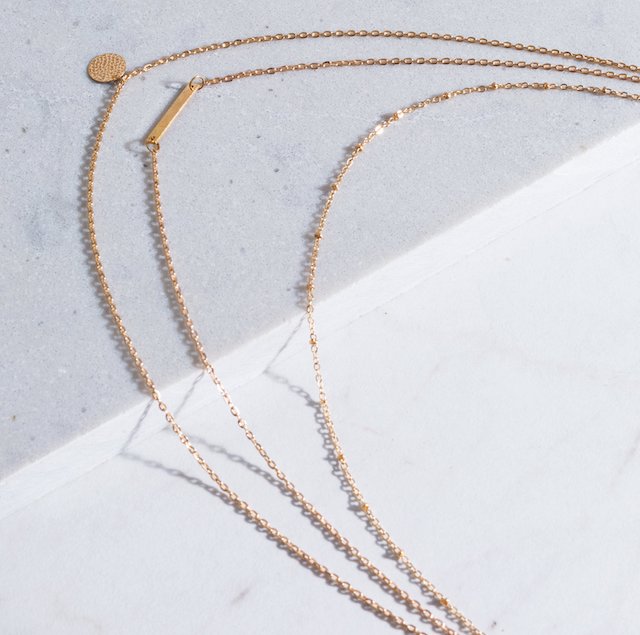
Chains collect residue where the links meet, which no cloth can reach. A short soak in warm soapy water followed by a soft brush along the length works well. Lay the chain flat to dry rather than hanging it wet, and pay attention to the clasp, which is where wear concentrates and where failures start. A chain like the one on the Straighten Your Crown Cuban link chain has more surfaces than a fine chain and benefits from the brush more.
Set stones
Clean around a stone rather than at it, and check the setting afterwards by pressing gently with a fingernail. If a stone moves, stop wearing the piece until it is fixed. For softer or porous stones such as pearl, opal and turquoise, skip water entirely and wipe with a barely damp cloth.
What not to use at home
Ultrasonic cleaners are the main hazard. They are excellent for some stones and destructive for others, and most people do not know which is which. Steam is similar. Bleach, ammonia and abrasive household cleaners have no place near jewelry at all.
Storing jewelry so it stops damaging itself
Storage is where the cheapest improvements are. A lined box with separate compartments prevents the scratching that causes most dullness, and it costs less than one replacement chain.
Keep pieces apart from each other. Harder stones scratch softer ones, and metal against metal produces the fine web of marks that makes a surface look grey rather than bright. If you do not have compartments, individual soft pouches do the same job.
Store in a dry place with stable temperature, not the bathroom. Humidity accelerates tarnish, and the swing between hot showers and cold nights is hard on porous stones. A bedroom drawer is better than a bathroom shelf in every respect.
Fasten clasps before putting a chain away, and lay it flat or hang it straight. A tangled chain is usually a damaged chain by the time it is untangled, because the fix involves pulling.
For pieces worn rarely, check them twice a year rather than leaving them for a decade. Anything with a delicate setting or a knotted strand needs a look before it is worn, not after something falls off.
Pieces that are worn constantly need the opposite treatment: more frequent cleaning and less time in the box. A daily necklace such as the Stay Strong infinity necklace collects more skin oil in a month than an occasional piece does in a year, so it earns the wipe far more than anything kept for occasions.
If you want the reasoning behind all this rather than the routine, our companion guide on the importance of jewelry care covers why maintenance matters for pieces that are meant to last.
Caring for the message card that came with it
Message card jewelry has a second half that nobody gives care advice about, and in most households it is the half that gets lost.
Keep the printed card flat. Rolled or folded cards curl permanently, and a crease through the text is the kind of small damage that bothers people more than a scratched chain.
Keep it dry and out of direct sunlight. Printed color fades with UV exposure in the same way a photograph does, and a card left on a windowsill for a summer will show it.
Store it with the piece rather than somewhere sensible but separate. Cards kept in a drawer of paperwork are the ones that disappear during a move. In the same box as the necklace, it survives for decades, and the two together are what make the gift an heirloom rather than an accessory.
If the card has been handwritten as well as printed, that is the part worth protecting hardest. Ink fades faster than print, and a photograph of it on a phone costs nothing as a backup.
When to get help rather than doing it yourself
Three situations are worth a jeweler rather than a kitchen sink.
A loose stone, a bent prong or a clasp that does not close cleanly should be looked at before the piece is worn again. These are small, inexpensive repairs until the moment something is lost, at which point they are not repairs at all.
Restringing is the second. Any knotted strand worn regularly needs restringing every few years, and the warning sign is visible thread between the beads or a strand that has stretched noticeably.
Refinishing is the third. A worn plated finish cannot be polished back; it has to be replated, and whether that is worth doing depends on the piece. For a sentimental gift it usually is.
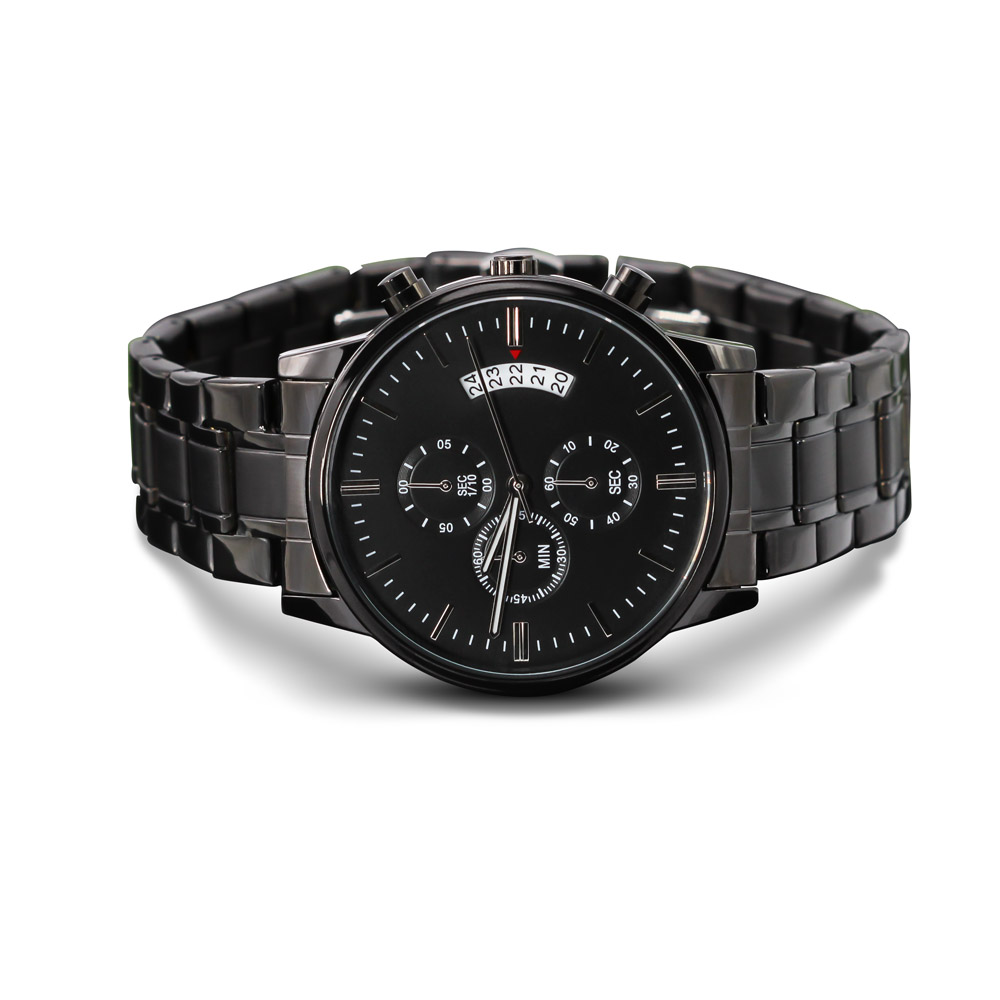
For everything else, gentle cleaning at home, done regularly, does more good than an annual deep clean. Browse our love knot necklaces or watches and you will notice the same advice applies across the range, because the finish and the chain matter more than the pendant shape.
Shop the pieces in this guide

Happy Birthday: Just Like Wine, Love Knot Necklace
Merry Christmas: Memories We Share, Love Knot Necklace
Happy Anniversary: Lifetime And Beyond, Love Knot Necklace
To My Princess: Three Wishes, Love Knot Necklace
To My Beautiful Wife: Once Upon A Time, Love Knot Necklace
To My Beautiful Wife: Last Everything, Love Knot Necklace
Questions buyers ask
Can I shower or swim wearing my necklace?
It is better not to. Shampoo, soap, chlorine and salt water all attack plated finishes and can work into settings. Take jewelry off before showering, swimming and exercise, and put it on after lotion and perfume.
How do I stop a chain from looking dull?
Wipe it with a soft cloth every time you take it off, and store it in a closed box rather than a dish. Most dullness comes from skin oils left on overnight and from friction against other jewelry in storage.
Are ultrasonic cleaners safe to use at home?
Not reliably. They are fine for some stones and damaging for others, including emerald, opal, pearl, turquoise and any fracture filled stone. Warm water, mild soap and a soft brush are safe for almost everything.
How should I look after the printed message card?
Keep it flat, dry and out of direct sunlight, and store it in the same box as the piece. Cards kept separately are the ones that get lost, and the card is usually the part people reread years later.


