










A meaningful get well gift for your wife is not an attempt to fix anything, and the gifts that land are the ones that understand that. Illness and recovery are slow, boring and frightening in turns, and what most people want during them is company and evidence that they have not become a burden. A small, wearable reminder plus words written to her does that quietly, every day, without needing to be discussed. This guide covers what a get well gift is actually for, how to choose one, what to write when you do not know what to say, and the things that help more than any parcel.
What a get well gift is actually for
It is worth being honest about the limits before anything else. A gift does not shorten a recovery, and nothing in this article claims otherwise. If she is unwell, the people who change the outcome are her doctors, and the most useful thing you can do is make it easier for her to rest and to keep her appointments.
What a gift can do is answer a question she may not say out loud: am I still the same person to you now that I am the one being looked after? Long illness is unusually good at making people feel like a project rather than a partner. An object chosen for her, with words that are about her rather than about her condition, pushes back on that.
It also works on the days you are not there. Hospital afternoons and recovery weeks are long, most of them are spent alone, and a physical thing with a sentence on it is available at three in the morning when you are asleep and she is not.
That is the whole job. Not cheer, not motivation, not a lesson about strength. Presence, in an object.
One thing worth saying plainly: gifts for someone recovering work better when they are small and repeated than when they are large and singular. A single expensive parcel in the first week cannot carry the length of an illness, and it often arrives while she is least able to enjoy anything. A modest thing now, a message in week six and a cup of tea in week ten will be remembered as care. The grand parcel on its own tends to be remembered as the week everyone panicked.
Choosing a meaningful get well gift for your wife
Match the gift to the shape of the illness rather than to the word "get well." A week at home with a bad chest and a six month treatment plan need different things.
For a long recovery
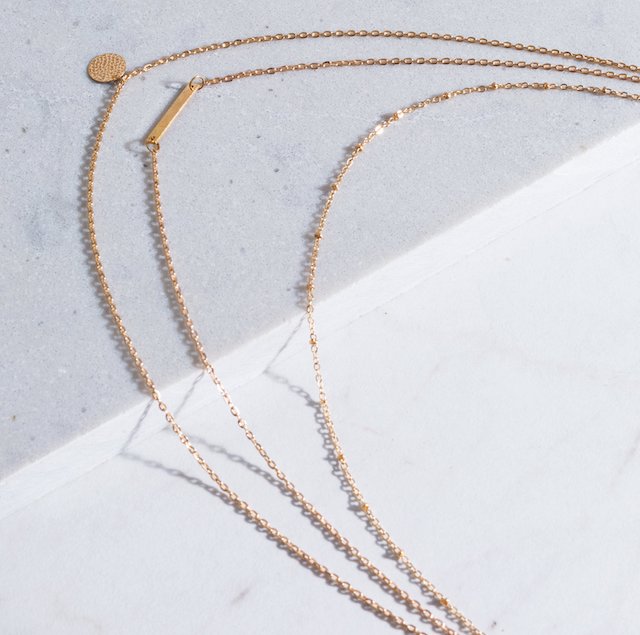
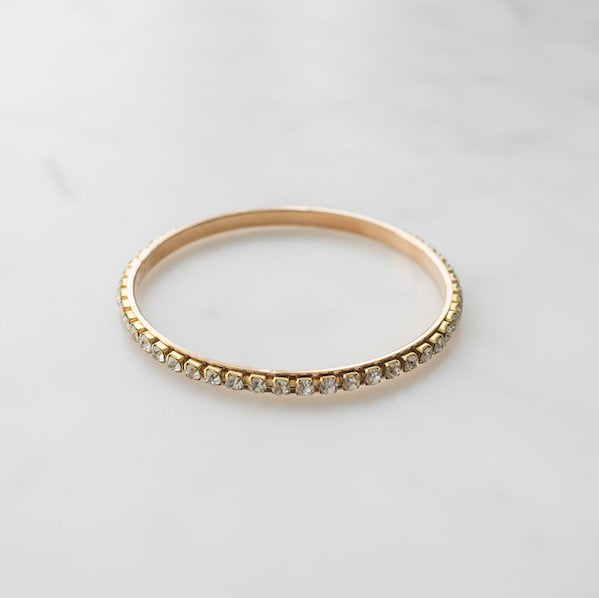
Choose something plain enough to wear every day, because it has to survive months rather than a weekend. The Stay Strong infinity necklace keeps the message short, which matters when the message will be reread hundreds of times. The You Are Strong infinity bracelet sits on a wrist where she can see it herself rather than where other people see it, which is the better place for a private message.
For surgery or a hospital stay
Hospitals usually ask patients to remove jewelry before a procedure, so a necklace given the night before may spend the day in a locker or in your pocket. That is an argument for giving it after rather than before, or for handing it over with the explicit line that it is for coming home. The card can be read from a hospital bed regardless, which is often the part that matters that week.
If the illness is chronic or invisible
Conditions that do not resolve get fewer flowers, and the people living with them notice. A gift on an ordinary week, with no milestone attached, says you are still paying attention long after everyone else has moved on. The Through My Eyes eternal hope necklace is written about how you see her, which is exactly the subject when she is struggling to see herself the same way.
If you want something softer than a statement
Browse our get well and apology gifts, the Stay Strong range and the Eternal Hope collection, and choose on the wording rather than the pendant. Another option worth considering is the Stay Strong eternal love necklace, which carries the same message on a different shape.
What to write when you do not know what to say
Most people freeze here, and the freezing is why so many get well cards say nothing. The instinct is to reach for optimism, because optimism feels supportive and costs nothing to write. It is also the thing most patients are tired of hearing.
Write what is true instead. Three lines is plenty.
Name the situation without dressing it up: "This is a hard stretch and I am not going to pretend it is not." Then say what has not changed: "You are still the person I want to talk to at the end of every day." Then offer something concrete: "I have got Thursday covered, so sleep in."
Avoid promising outcomes. You cannot know how this ends, and a promise you cannot keep sits badly on a card she may still have in a year. Avoid comparisons to other people's illnesses. Avoid anything that sounds like a lesson.
If she is very unwell, keep it shorter still. Reading is tiring, and a single clear sentence is kinder than a page.
The things that help more than a gift
Any honest article about this has to say that the parcel is the smallest part.
Take something off her list without asking. Vague offers put the work of asking onto the person least able to do it. Naming the task and the day is the entire difference: the washing, the Thursday pickup, the phone call to the insurer she has been dreading.
Protect her sleep, which is usually the first thing to go and the thing that makes everything else harder.
Handle the admin. Appointments, forms, prescriptions and the endless phone queues are exhausting when you are well and unbearable when you are not.
Keep the visitors manageable. People arrive wanting to help and leave having been hosted, and she may not have the energy to say so.
And keep talking to her about things that are not her illness. Being treated as a patient by everyone, all day, is its own particular loneliness. If you want ideas for the small habits that make hard stretches steadier, our list of self care ideas is written for exactly that, and how to keep anxiety at bay covers the worry that usually travels alongside.
What to avoid
A few things consistently miss, however kindly they are meant.
Anything that implies she can think her way better. Encouragement is welcome; the suggestion that attitude determines outcome is not, and it quietly blames the patient.
Gifts that need managing. Flowers need vases and water, plants need light, and a food hamper she cannot eat because of her treatment is a small cruelty nobody intended.
A card that is really about you. "I do not know what I would do without you" puts her in the position of reassuring you, which is the opposite of what the gift is for.
Disappearing. The parcel that arrives in week one matters far less than the message in week nine, when the visits have stopped and nothing has changed. If you only do one thing from this article, do that one.
Shop the pieces in this guide

To My Wife: Together We're Everything, Eternal Love Necklace
To My Wife: Gift From The Heavens, Eternal Love Necklace
To My Wife: Gift From The Heavens, Love Knot Necklace
Dearest Wife: Gift For Pregnant Wife, Eternal Love Necklace
To The Best Army Wife: Gift For Veteran Wife, Love Knot Necklace
Gift For Military Wife & Girlfriend: Stay Strong, Love Knot Necklace
Questions buyers ask
What is a good get well gift for a wife who is recovering at home?
Something small and wearable with words attached, chosen to be worn daily rather than displayed. Pair it with taking a concrete task off her list. The gift says you are here; the practical help is what actually lightens the week.
Should I give jewelry before surgery or after?
Usually after, or framed as something for coming home. Hospitals normally ask patients to remove jewelry before a procedure, so a piece given the night before often ends up in a locker. The card can still be read from a hospital bed.
What should I write in a get well card?
Three lines: name that it is hard without dressing it up, say what has not changed about how you see her, and offer something concrete you will do this week. Avoid promising an outcome you cannot know.
What should I not send?
Anything that needs looking after, food she may not be able to eat during treatment, and any message implying that a better attitude would speed recovery. Also avoid cards that ask her to reassure you.


